Unveiling the World of Mural Artists
Explore the history of mural art from ancient frescoes to modern street art. Discover different styles, notable muralists and what to consider when commissioning a mural.
February 13, 2026
What You Will Learn
- The history and evolution of mural painting from ancient civilizations to modern street art
- The most influential mural styles and techniques used by artists today
- How murals shape communities, culture, and political movements
- The professional process of designing and creating a large scale mural
- What to consider when commissioning a mural artist
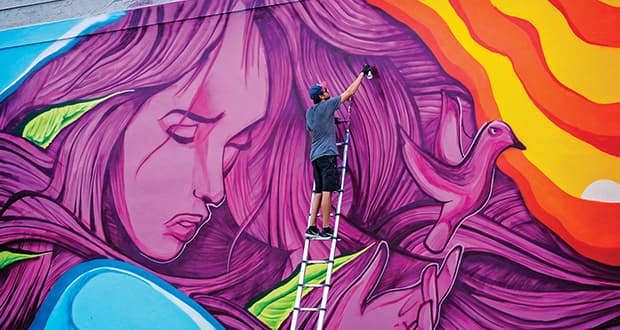
Dive into the vibrant world of mural artists, where creativity knows no bounds. Discover how these talented visionaries transform blank walls into captivating stories.
From ancient cave paintings to contemporary urban masterpieces, mural art has evolved into one of the most powerful forms of public expression. Across cultures and centuries, murals have documented history, shaped political movements, strengthened communities, and transformed ordinary spaces into immersive visual experiences. In this guide, we explore the history, styles, impact, and future of mural art, along with what it takes to create and commission a professional mural.
The History of Mural Painting
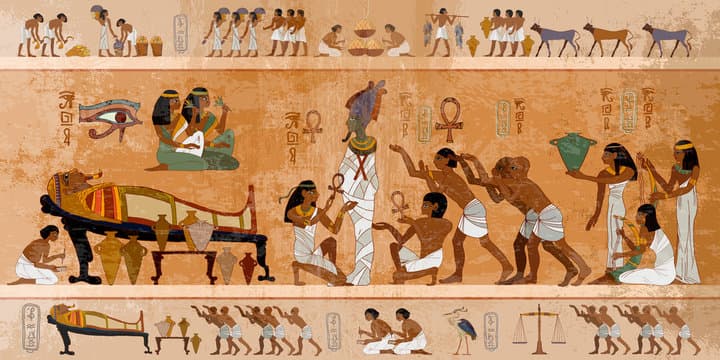
Mural painting, as an art form, dates back to ancient times, with some of its earliest examples found in prehistoric cave paintings. These rudimentary depictions, made with natural pigments, served not only as artistic expressions but also as historical records of early human life. As civilizations evolved, so did the complexity and significance of murals. Ancient Egyptians adorned the walls of tombs with detailed scenes of daily life and religious rituals, while the Greeks and Romans embraced murals to beautify public spaces and private homes.
In the Middle Ages, mural art took on a more spiritual dimension, with churches and cathedrals becoming canvases for religious frescoes. These works, often depicting biblical scenes, were designed to inspire and educate the faithful. The Renaissance period marked a pinnacle in the history of mural painting, with masters like Michelangelo and Raphael creating iconic works that continue to be celebrated today. Michelangelo's Sistine Chapel ceiling and Raphael's Vatican frescoes are testaments to the enduring power of mural art to convey complex narratives and evoke profound emotional responses.
As we move through the centuries, the history of mural painting reveals a continuous thread of artistic innovation and cultural reflection. From the political murals of the Mexican Revolution to the vibrant street art of contemporary urban environments, murals have served as powerful tools for communication, celebration, and protest. Each era has brought new techniques, styles, and purposes to the art form, ensuring that mural painting remains a dynamic and evolving practice.
Different Styles of Mural Art
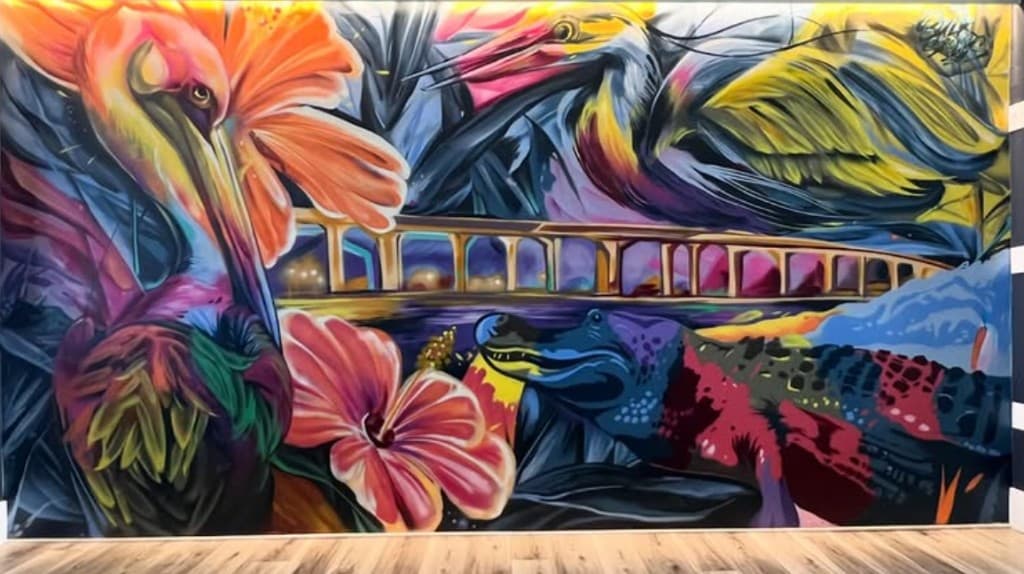
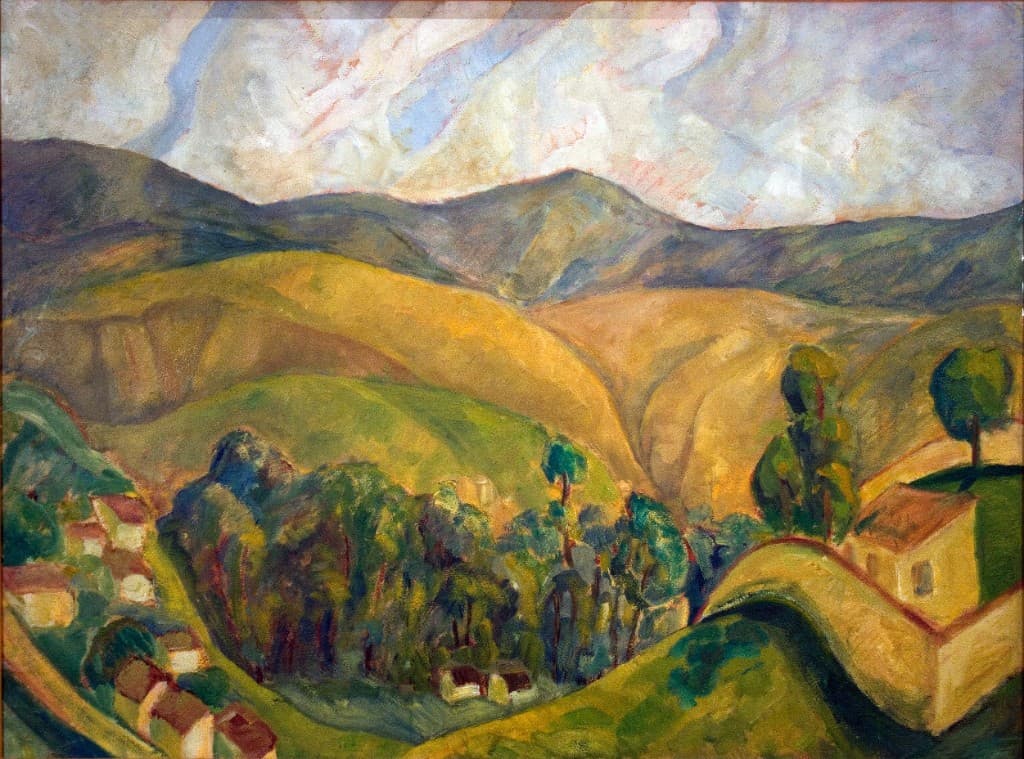
Mural art is a diverse field, encompassing a variety of styles that reflect different cultural, historical, and artistic influences. One of the most enduring styles is the fresco, a technique that involves applying water-based pigments onto freshly laid lime plaster. This method, famously used by Renaissance artists, creates a durable and vibrant surface that can last for centuries. Frescoes are characterized by their integration with the architecture, becoming an intrinsic part of the walls they adorn.
Another prominent style is trompe-l'oeil, a French term meaning "deceive the eye." This technique employs realistic imagery to create the optical illusion of three-dimensional space on a flat surface. Trompe-l'oeil murals can transform ordinary walls into seemingly open windows, elaborate architectural features, or fantastical scenes that invite viewers to question their perceptions of reality. This style is often used in both public and private spaces to add depth and intrigue to the environment.
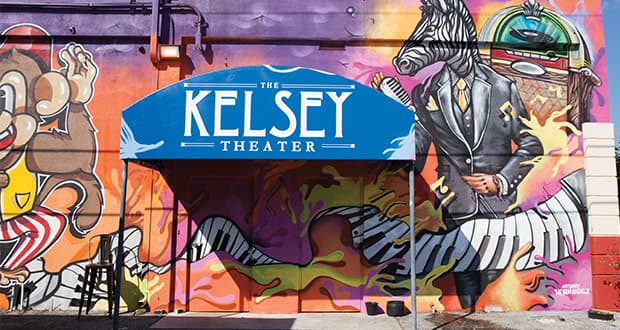
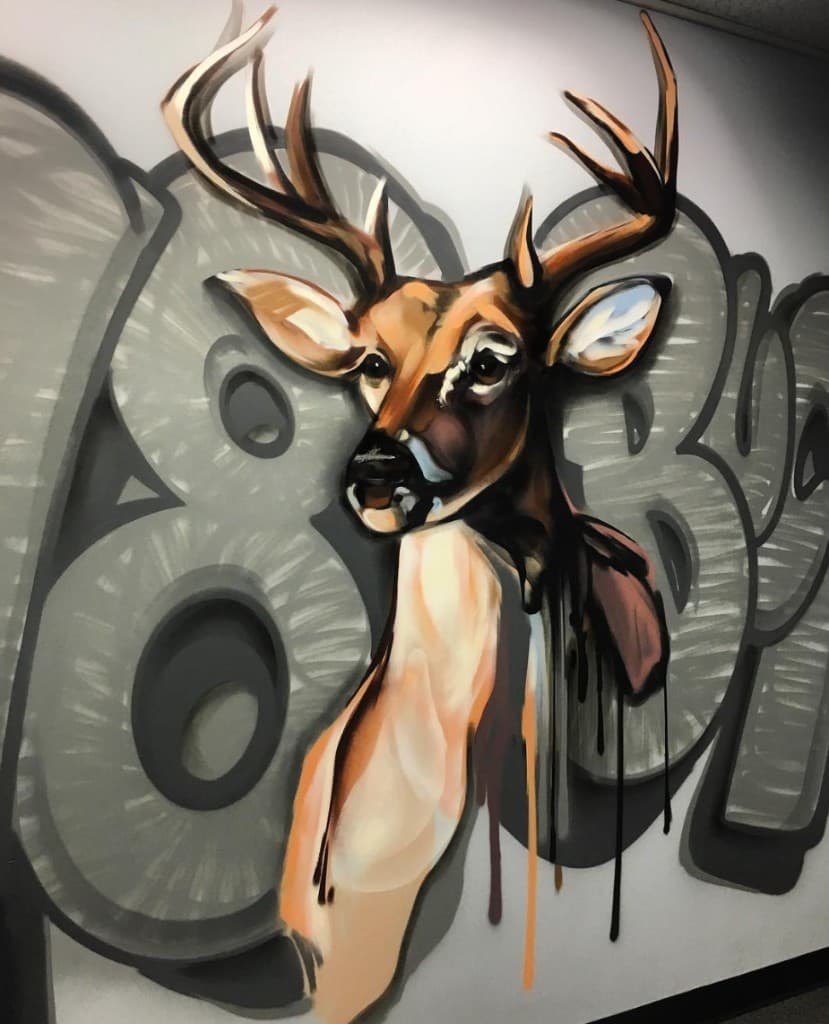
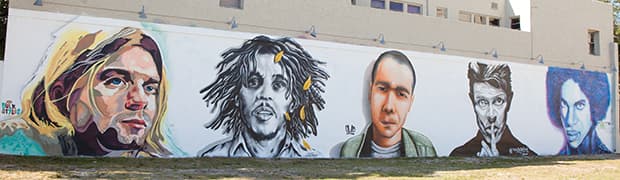
Street art murals, often associated with graffiti culture, represent a more contemporary style that has gained widespread recognition and appreciation. These murals are typically created with spray paint or acrylics and are characterized by their bold colors, dynamic compositions, and socially relevant themes. Street art murals can be found in urban environments around the world, where they serve as vibrant expressions of local culture, activism, and creativity. This style has evolved to include a wide range of techniques and influences, from abstract and surrealist elements to photorealistic portraits and intricate patterns.
Notable Mural Artists and Their Impact
Throughout history, numerous mural artists have left an indelible mark on the art world and society at large. Diego Rivera, one of the most celebrated muralists of the 20th century, is renowned for his large-scale works that depict the struggles and triumphs of the Mexican people. His murals, created with a distinctive blend of realism and symbolism, are powerful commentaries on social and political issues. Rivera's influence extends beyond his artistic achievements, as he played a pivotal role in the Mexican Muralism movement, inspiring generations of artists to use their work as a means of social change.
Another iconic figure in the world of mural art is David Alfaro Siqueiros, a contemporary of Rivera and a fellow Mexican muralist. Siqueiros was known for his innovative techniques, including the use of industrial materials and experimental methods to create dynamic and expressive compositions. His murals often addressed themes of revolution and social justice, reflecting his commitment to political activism. Siqueiros' contributions to the field of mural art have had a lasting impact, pushing the boundaries of the medium and influencing artists worldwide.
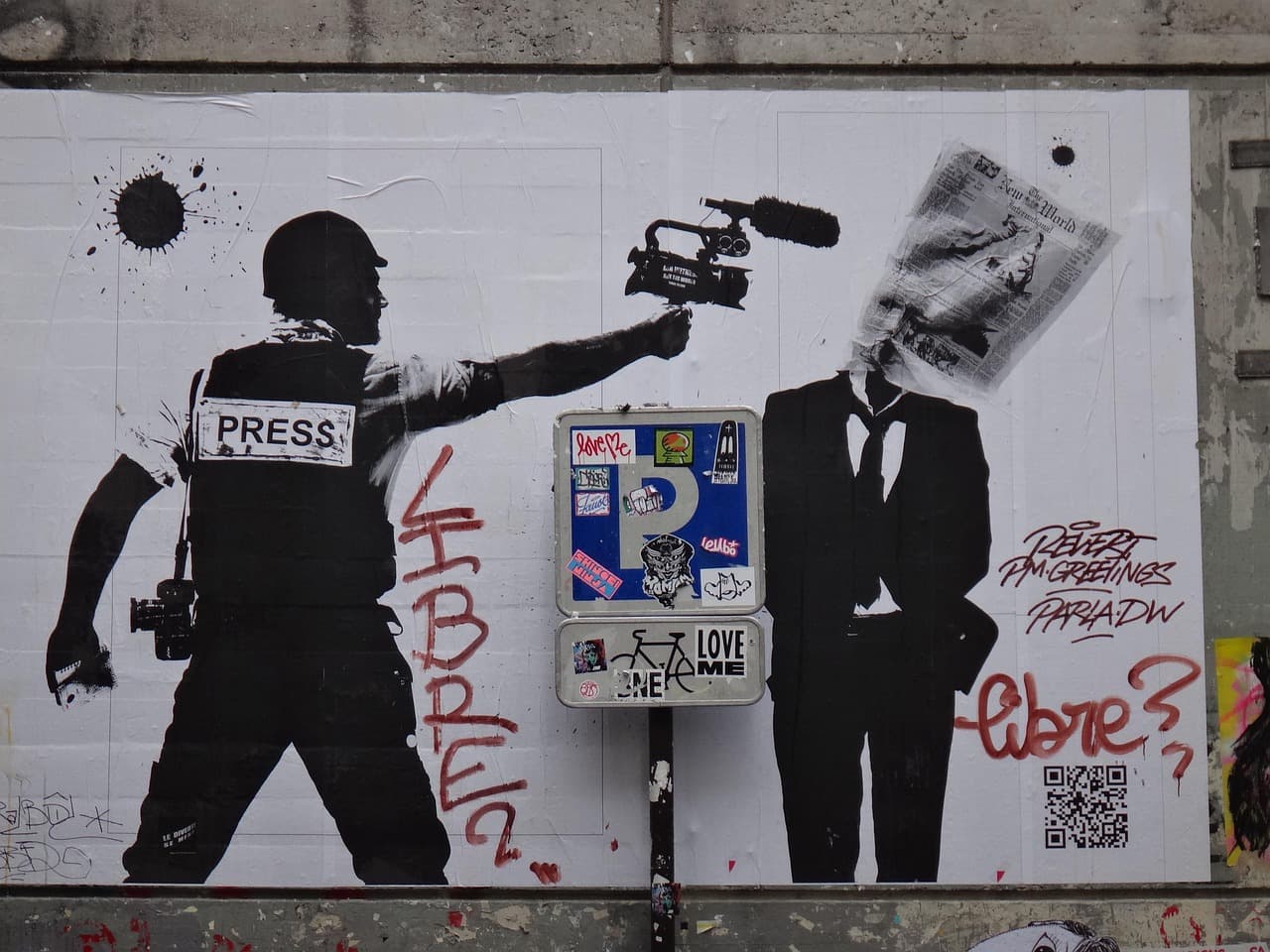
In the realm of contemporary mural art, Banksy stands out as a seminal figure whose work has garnered international acclaim. Known for his distinctive stenciled style and provocative social commentary, Banksy's murals challenge viewers to confront issues such as consumerism, war, and inequality. Despite the anonymity that shrouds his identity, Banksy's art has become a global phenomenon, sparking conversations and debates about the role of street art in society. His work exemplifies the power of murals to transcend traditional art spaces and engage a broad audience.
The Process of Creating a Mural
Creating a mural is a complex and multifaceted process that requires careful planning, creativity, and technical skill. The journey begins with conceptualization, where the artist develops an idea or theme for the mural. This stage often involves research and collaboration with stakeholders, such as community members, clients, or organizations, to ensure that the mural's content resonates with its intended audience. The artist may create sketches or digital renderings to visualize the composition and refine their vision.
Once the concept is finalized, the next step is surface preparation. This involves cleaning and priming the wall to ensure that the paint adheres properly and the final image is vibrant and long-lasting. Depending on the location and condition of the wall, the artist may need to repair cracks or imperfections and apply a base coat of paint. Surface preparation is a crucial step that sets the foundation for the mural and can significantly impact its longevity and appearance.
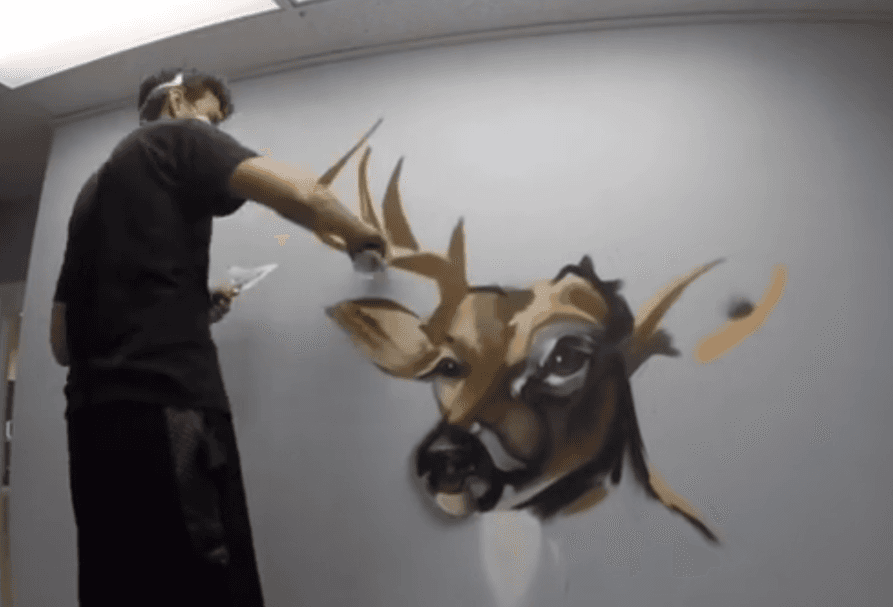
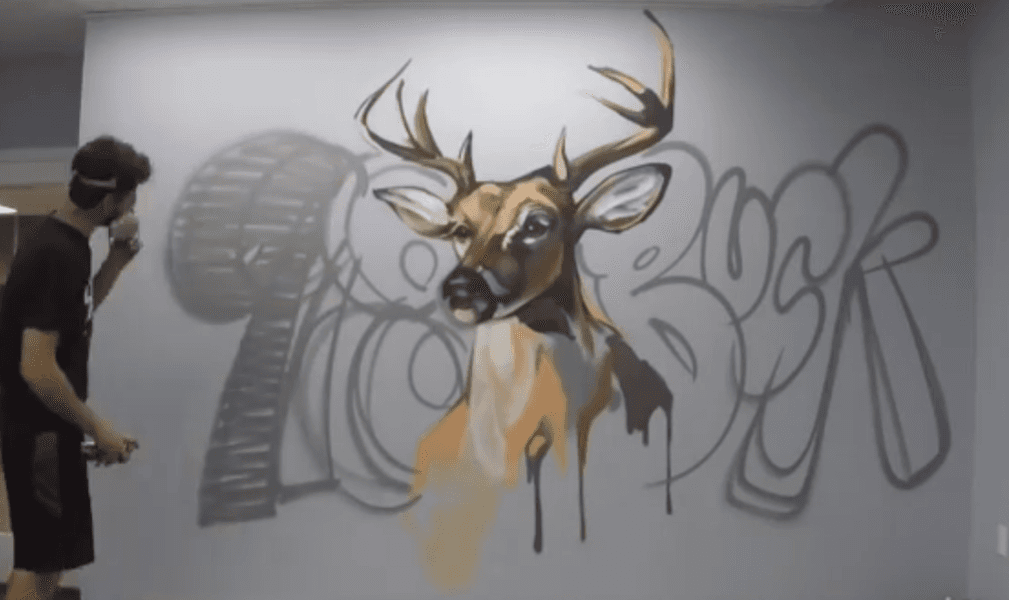
With the surface prepared, the artist begins the actual painting process. This stage can vary greatly depending on the chosen technique and materials. For traditional frescoes, the artist applies pigments to wet plaster in sections, working quickly before the plaster dries. For contemporary murals, the artist may use a combination of brushes, rollers, and spray paint to build up layers of color and detail. Throughout the painting process, the artist must continually adjust their techniques and approach to accommodate the scale and context of the mural. The final step is sealing the mural with a protective varnish or coating to preserve the colors and protect the artwork from environmental factors.
The Role of Murals in Community Engagement
Murals have a unique ability to engage communities and foster a sense of pride and identity. By transforming public spaces into vibrant canvases, murals can bring people together, spark conversations, and create a shared sense of ownership and belonging. Community murals, in particular, often involve collaborative processes where local residents, artists, and organizations work together to design and execute the artwork. This collaborative approach not only empowers participants but also ensures that the mural reflects the community's values, history, and aspirations.
In many cases, murals serve as catalysts for revitalizing neglected or underutilized areas, attracting visitors and stimulating economic activity. For example, mural projects in urban neighborhoods can transform blighted walls into colorful landmarks, drawing tourists and encouraging investment in local businesses. These visual transformations can enhance the overall aesthetic of the area, making it more inviting and vibrant. Moreover, murals can serve as educational tools, providing opportunities for residents and visitors to learn about the community's heritage, cultural diversity, and social issues.
Beyond their visual impact, murals can also play a significant role in addressing social and political issues. By depicting themes such as social justice, environmental sustainability, and human rights, murals can raise awareness and inspire action. They provide a platform for marginalized voices and can challenge dominant narratives, fostering critical dialogue and promoting social change. In this way, murals are not only artistic expressions but also powerful instruments for community building and advocacy.
Murals as a Form of Political Expression
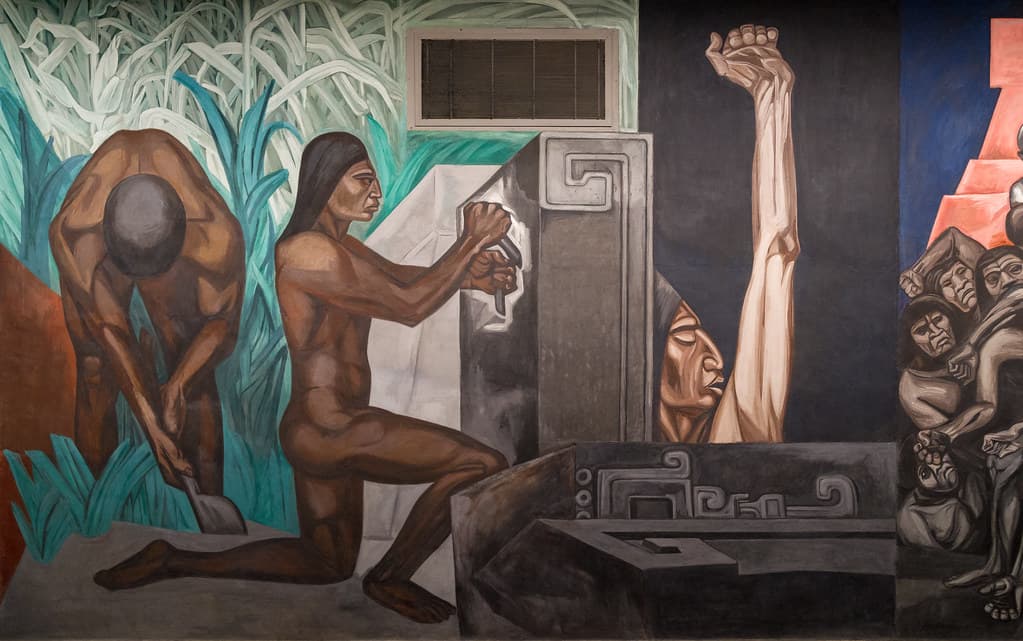
Murals have long been used as vehicles for political expression, providing artists with a public platform to convey powerful messages and inspire social change. Throughout history, murals have documented and responded to political events, movements, and ideologies. One of the most prominent examples is the Mexican Muralism movement, which emerged in the wake of the Mexican Revolution. Artists like Diego Rivera, David Alfaro Siqueiros, and José Clemente Orozco created large-scale murals that depicted the struggles and aspirations of the Mexican people, challenging social injustices and advocating for revolutionary ideals.
In more recent times, murals have continued to serve as powerful tools for political expression and activism. During the civil rights movement in the United States, murals became a means of documenting the fight for racial equality and justice. Artists like John T. Riddle Jr. and Charles White used their work to honor the contributions of African American leaders and to highlight the ongoing struggle against systemic racism. These murals provided a visual record of the movement's achievements and challenges, inspiring future generations to continue the fight for social justice.
Today, murals remain a potent form of political expression, addressing contemporary issues such as immigration, climate change, and LGBTQ+ rights. Street artists like Shepard Fairey and JR use their work to comment on current events and to advocate for social and political causes. Fairey's iconic "Hope" poster of Barack Obama and JR's large-scale photographic installations are examples of how murals can capture the public's attention and generate widespread discussion. By bringing political messages into the public sphere, murals democratize the conversation and engage a diverse audience in critical dialogue.
The Evolution of Mural Art in the Digital Age
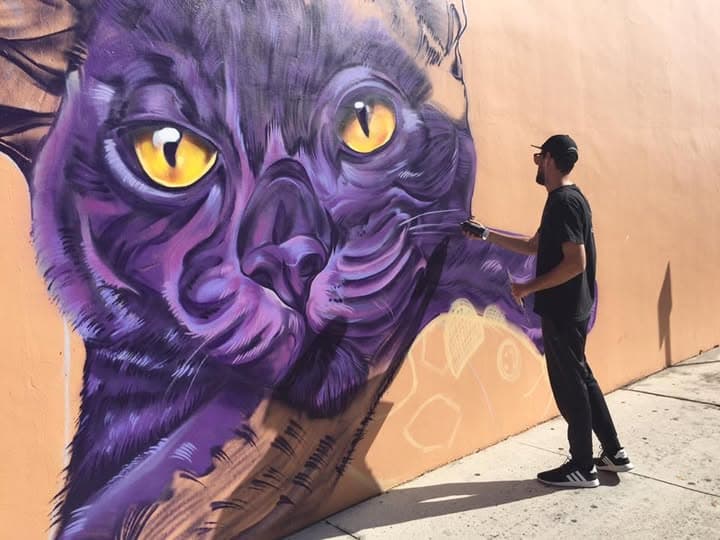
The advent of digital technology has brought significant changes to the field of mural art, expanding the possibilities for creation, collaboration, and dissemination. One of the most notable developments is the use of digital tools and software in the design and planning stages of mural projects. Artists can now create detailed digital renderings and simulations, allowing them to experiment with different compositions, colors, and techniques before beginning the physical painting process. This digital flexibility enables artists to refine their vision and to communicate their ideas more effectively with clients and collaborators.
Digital technology has also facilitated new forms of mural art that blend traditional painting techniques with digital media. Projection mapping, for example, uses digital projectors to overlay animated images onto physical surfaces, creating dynamic and interactive murals. These digital projections can transform static walls into moving canvases, adding a new dimension to the viewer's experience. Similarly, augmented reality (AR) murals use smartphone apps to overlay digital content onto physical murals, allowing viewers to interact with the artwork in novel and immersive ways.
The rise of social media and online platforms has further transformed the landscape of mural art, providing artists with new avenues for sharing their work and connecting with audiences worldwide. Platforms like Instagram and Facebook allow artists to document their process, share their finished murals, and engage with a global community of followers. This increased visibility has democratized access to mural art, enabling artists to reach wider audiences and to gain recognition beyond their local contexts. Additionally, online platforms have facilitated new forms of collaboration, with artists from different parts of the world working together on virtual and physical mural projects.
How to Commission a Mural Artist
Commissioning a mural artist is a rewarding process that allows individuals, organizations, and communities to create unique and meaningful artwork. The first step in commissioning a mural is to define the project's scope and objectives. This includes identifying the location, size, and theme of the mural, as well as any specific messages or elements that should be included. It is also important to establish a budget and timeline for the project, taking into consideration factors such as materials, artist fees, and any necessary permits or approvals.
Once the project's parameters are defined, the next step is to find and select a mural artist whose style and experience align with the project's vision. This can involve researching artists online, visiting local galleries or mural sites, and seeking recommendations from art organizations or community groups. When evaluating potential artists, it is helpful to review their portfolios, conduct interviews, and discuss their approach to the project. Clear communication is key to ensuring that the artist understands the client's expectations and that both parties are aligned in their vision for the mural.
After selecting an artist, the commissioning process typically involves several stages of collaboration and planning. The artist will create initial sketches or digital mock-ups of the mural, which can be reviewed and revised based on feedback from the client. Once the design is finalized, the artist will prepare the site and begin the painting process, providing regular updates and opportunities for input along the way. Upon completion, it is important to document the mural and to celebrate its unveiling with the community. Commissioning a mural is a collaborative and creative journey that results in a lasting and impactful work of art.
Conclusion: The Future of Mural Art
As we look to the future, the world of mural art continues to evolve, driven by innovation, collaboration, and a deepening connection to communities and social issues. Advances in digital technology and new media are expanding the possibilities for mural creation, allowing artists to experiment with novel techniques and interactive elements. At the same time, the enduring power of murals to convey stories, inspire action, and transform spaces ensures that this art form will remain a vital and dynamic part of our cultural landscape.
The future of mural art will likely see an increasing emphasis on sustainability and environmental consciousness. Artists are exploring eco-friendly materials and practices, such as using non-toxic paints and incorporating natural elements into their designs. Additionally, mural projects are being integrated into broader urban planning initiatives, promoting green spaces and contributing to the ecological health of communities. This intersection of art and sustainability reflects a growing awareness of the role that murals can play in fostering environmental stewardship and resilience.
Ultimately, the future of mural art is shaped by the artists and communities who bring their visions to life. As new generations of muralists emerge, they will continue to push the boundaries of the medium, finding innovative ways to engage audiences and address contemporary challenges. Whether through traditional painting techniques or cutting-edge digital interventions, murals will remain a powerful form of creative expression, enriching our shared spaces and reflecting the diverse and dynamic nature of our world.
Ready to Transform Your Business Space?
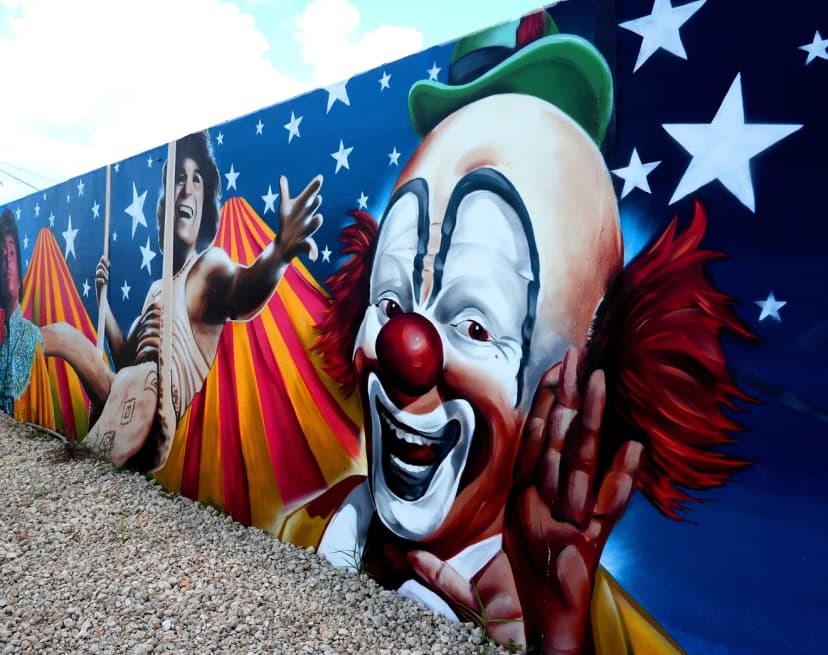
Venice Beach Circus
A large-scale mural honoring Ringling Bros. and Barnum & Bailey Circus, blending bold color and classic circus energy into contemporary public art.
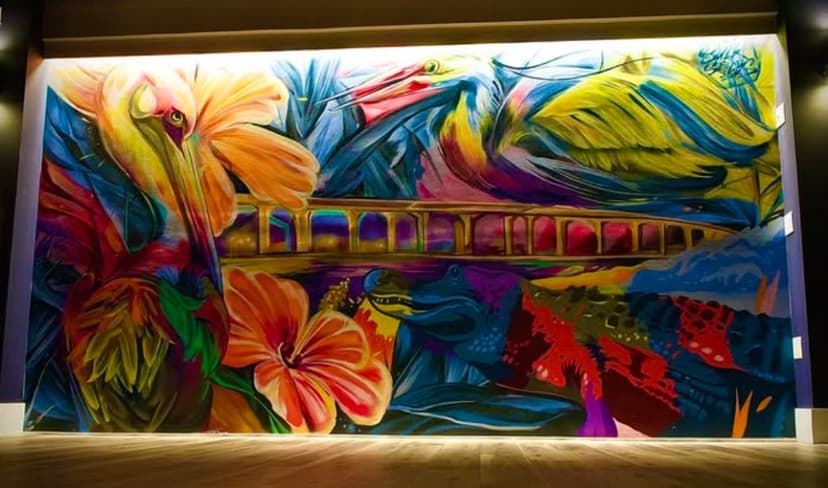
Waterfront Stuart Mural
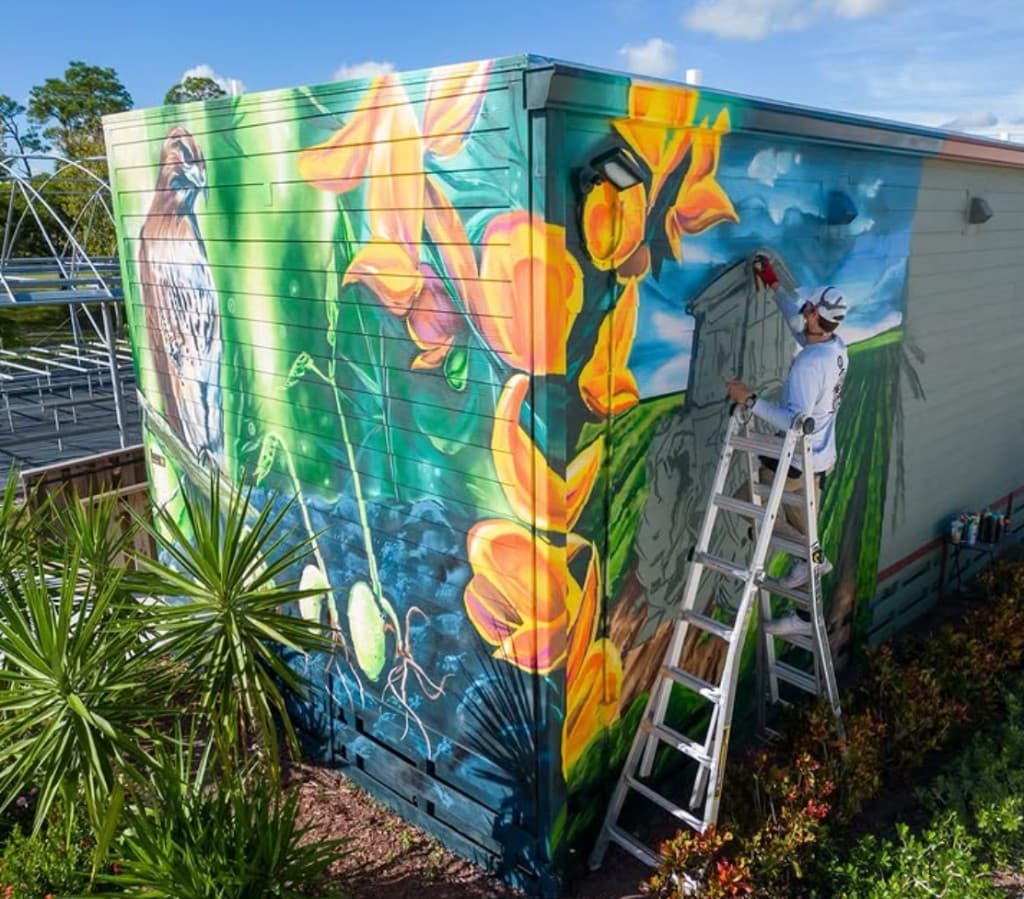
A large scale mural created for Waterfront Stuart, blending coastal wildlife, vibrant color, and movement to reflect the energy of the local waterfront.
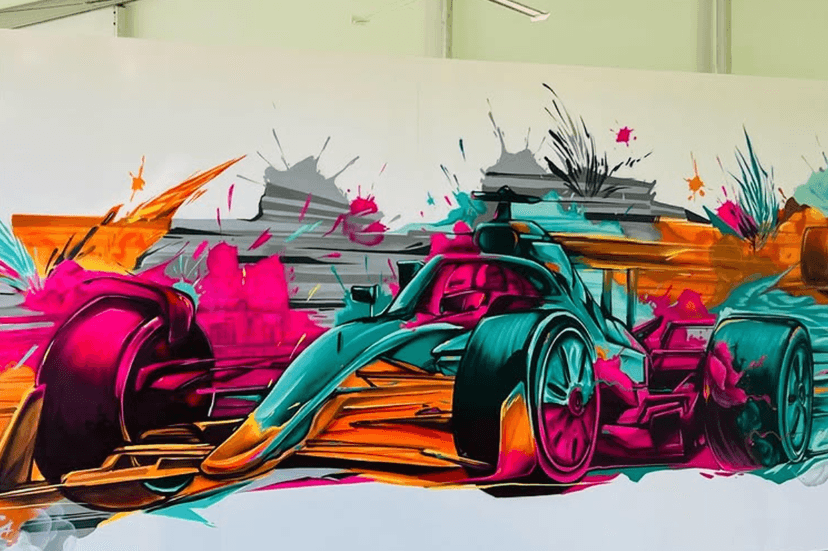
Formula 1 Miami Mural
A live mural by Mark Francis created during the Formula 1 Miami Grand Prix, capturing Miami's speed and energy.